Tooth Replacement
Dental Implants and Multiple Sclerosis
Multiple sclerosis (MS) is a chronic disease that affects the central nervous system.

Multiple sclerosis (MS) is a chronic disease that affects the central nervous system. It can cause a variety of symptoms, including fatigue, weakness, numbness, tingling, vision problems, and difficulty walking.
MS can also affect the mouth and teeth. Some people with MS experience dry mouth, which can make it difficult to brush and floss. They may also be more likely to develop gum disease and cavities.
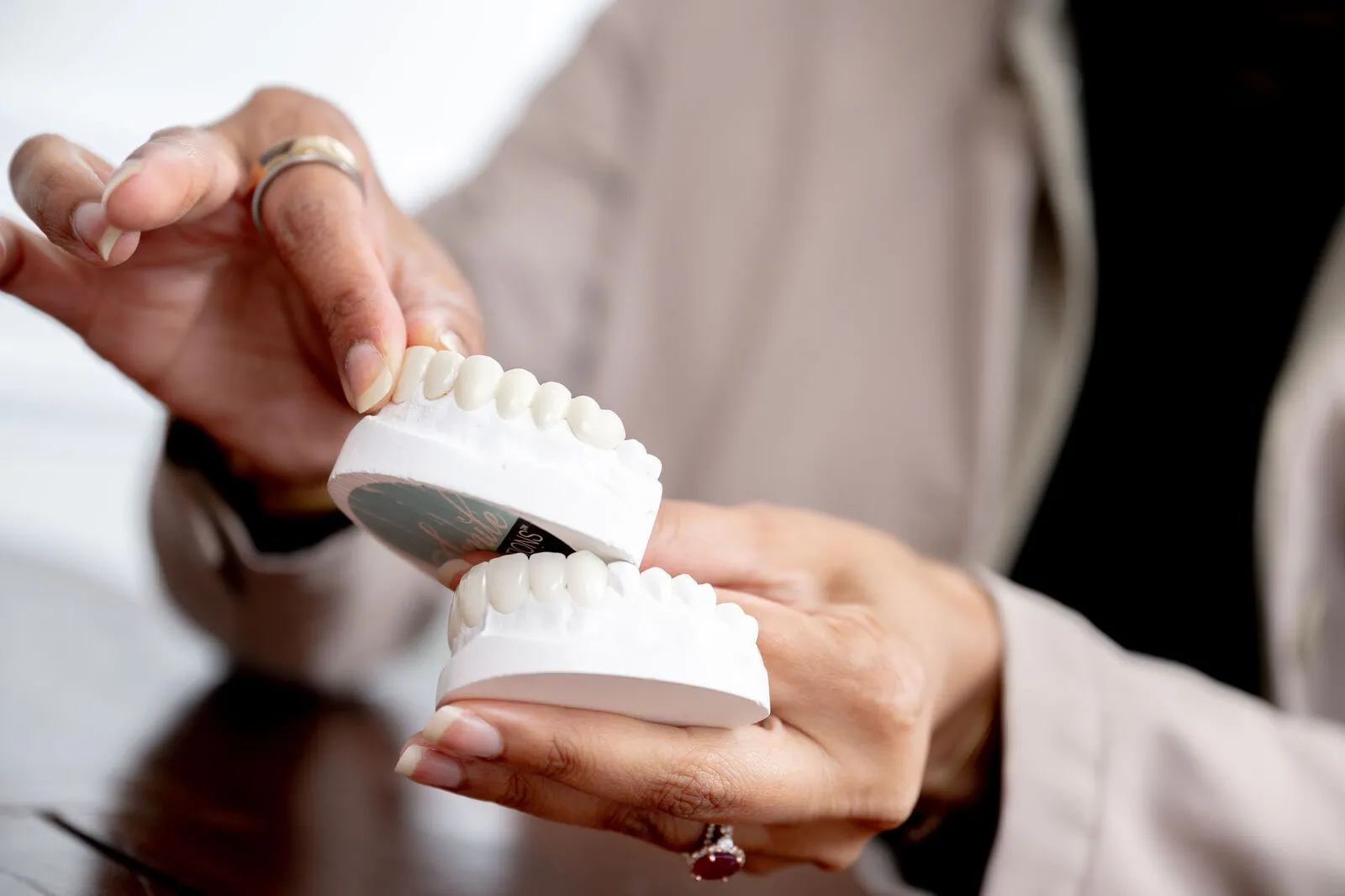
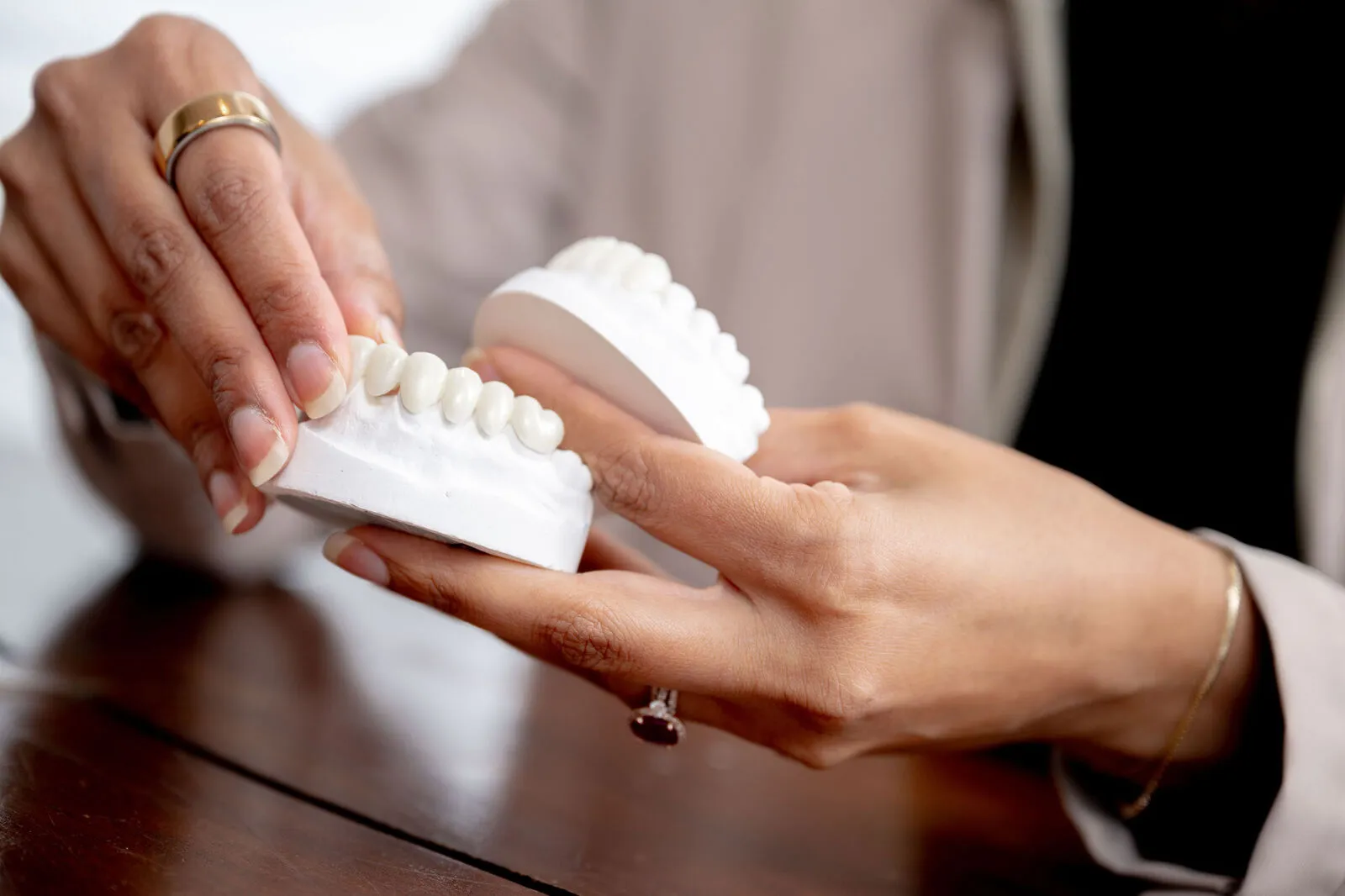
Dental implants are a great option for people with MS who have missing teeth. They are made of titanium, which is a strong and durable material that fuses with the jawbone. This provides a stable foundation for artificial teeth that can last for many years. These composite tooth replacements also stimulate the jaw as they integrate, creating a healing stimulation after recovery.
Dental implants can be a safe and effective treatment for people with MS. However, there are a few things to keep in mind if you are considering getting dental implants with MS.
1. Talk to your doctor. Make sure your doctor is aware that you have MS before you get dental implants. They can help you to determine if dental implants are right for you and can provide you with any necessary medical clearance.
2. Find a dentist who is experienced in treating patients with MS. There are some special considerations that need to be taken into account when treating patients with MS. A dentist who is experienced in treating patients with MS will be familiar with these considerations and will be able to provide you with the best possible care.
3. Be prepared for a longer healing time. People with MS may heal more slowly than people without MS. This means that you may need to wait longer for your dental implants to heal before you can put any pressure on them.
4. Be aware of the risks. There are some risks associated with any surgery, including dental implants. These risks include infection, bleeding, and nerve damage. People with MS may be at an increased risk for some of these complications.
Overall, dental implants can be a safe and effective treatment for people with MS who have missing teeth. However, it is important to talk to your doctor and find a dentist who is experienced in treating patients with MS before you get dental implants.
Here are some additional tips for people with MS who are considering getting dental implants:
Make sure you are in good overall health. If you are experiencing a flare-up of your MS, it is best to wait until you are feeling better before getting dental implants.
Ask your dentist about any special considerations that need to be taken into account. For example, you may need to take antibiotics before and after your surgery.
Be patient. The healing process may take longer for you than for someone without MS.
Take care of your dental implants. Brush and floss regularly and see your dentist for regular checkups.
By following these tips, you can help to ensure that your dental implants are a success.
Related Articles
More About Dental Implants
← Back to Dental Implants
Main service page
Dental Implant Over 60
Dental Implants
Dental Implant vs. Dental Bridge
Dental Implants
Dental Implants With Low Monthly Payments
Dental Implants
How Long Do Dental Implants Take
Dental Implants
How Long Does an Implant Supported Bridge Last
Dental Implants
How Many Teeth Can Implants Replace
Dental Implants
How Many Teeth Does an Implant Supported Bridge Have
Dental Implants
How Much Do Dental Implants Cost
Dental Implants
Natural Looking Dental Implants
Dental Implants
Non Implant Missing Tooth Replacement Options
Dental Implants
What are Dental Implants?
Dental Implants
What is an Implant Supported Bridge
Dental Implants
What Is The Dental Implant Procedure
Dental Implants

Your Dentist
Dr. Hala Imam
DDS
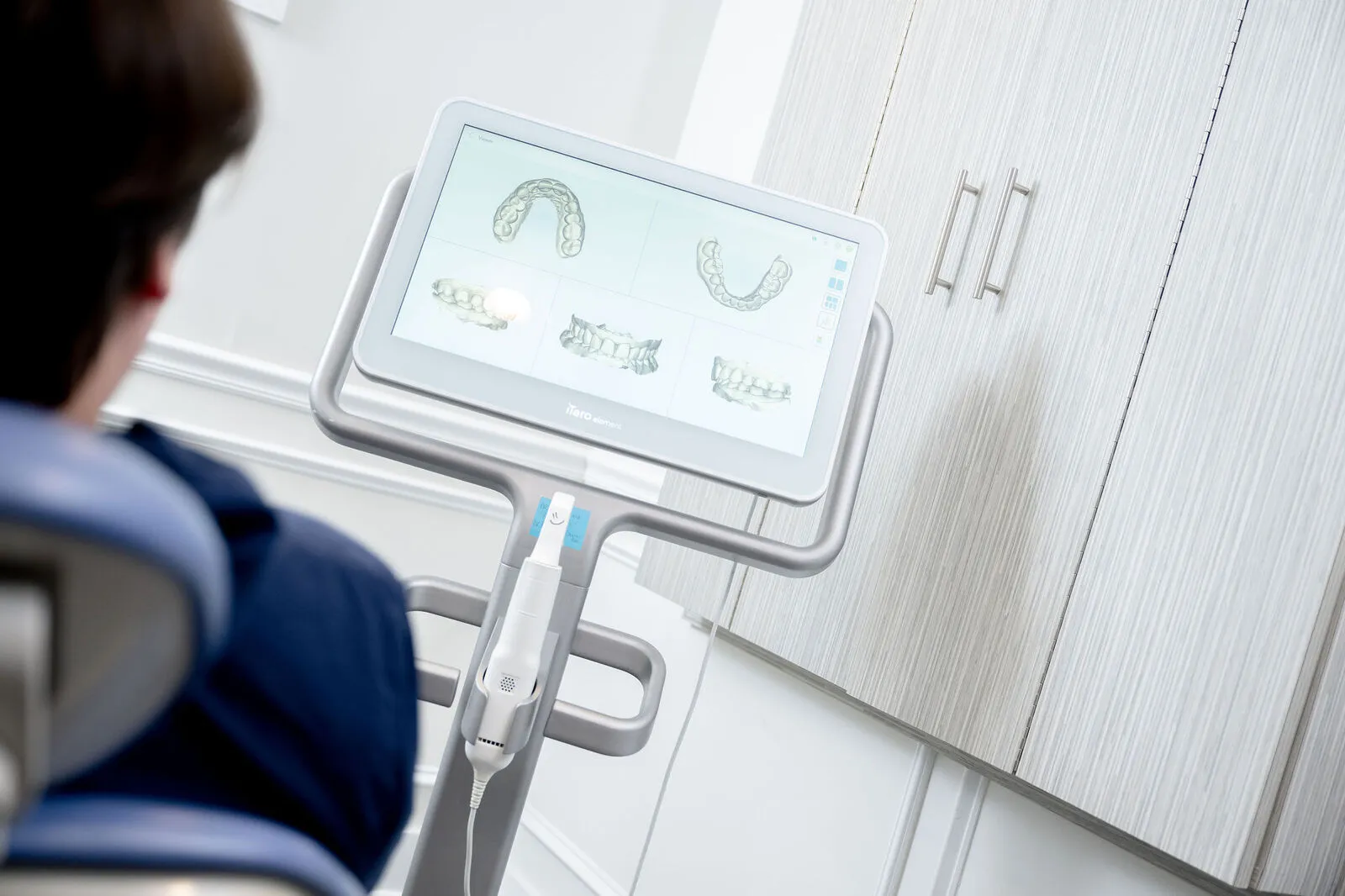
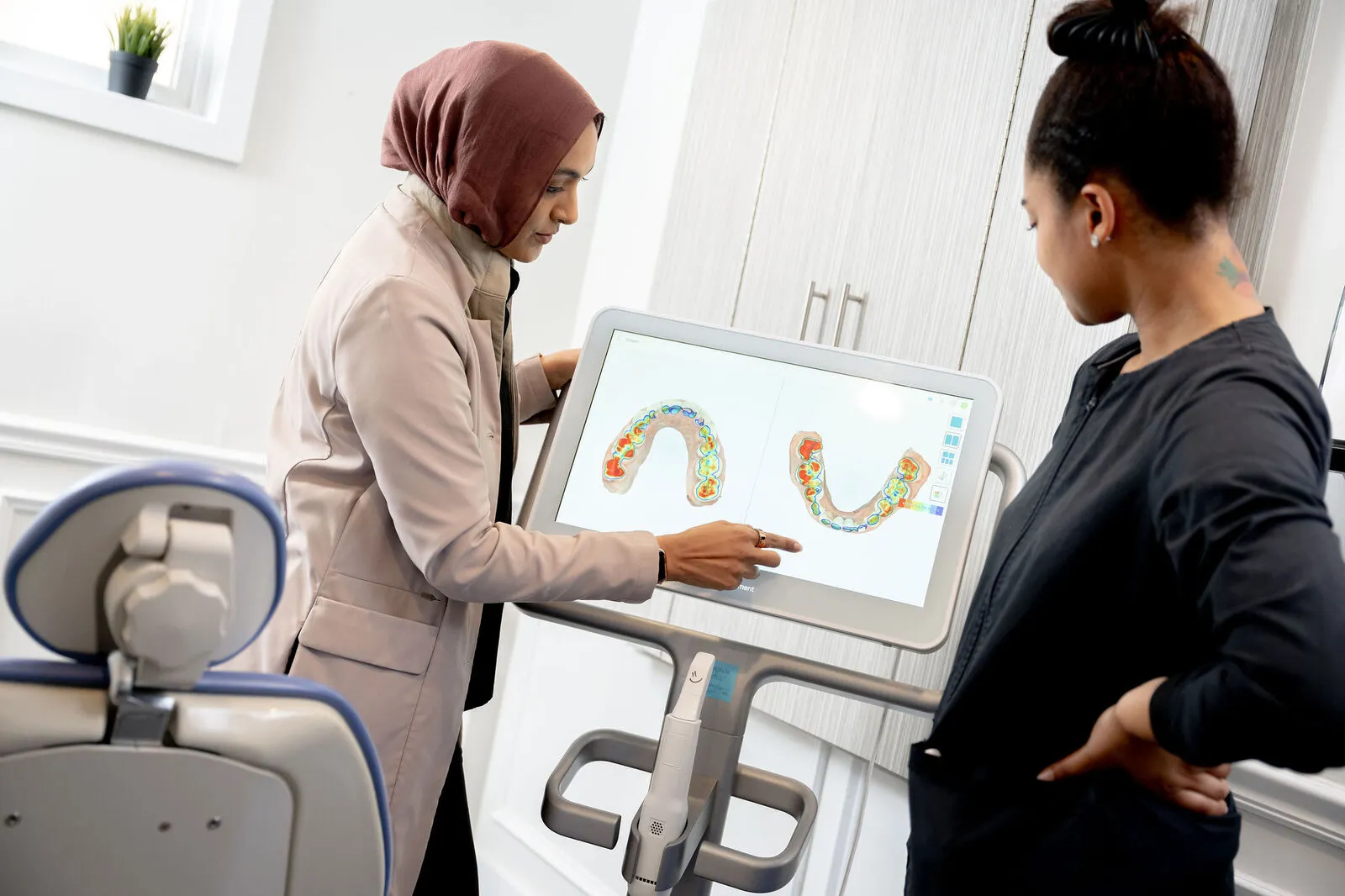
Dr. Imam brings a genuine passion for family-centered care to every appointment at Cherrydale Family Dental. With advanced training in implants, cosmetic dentistry, and digital scanning technology, she combines clinical precision with a warm, unhurried approach that puts patients at ease.
Whether it is a routine cleaning, a complex restoration, or a child's first visit, her approach is the same: listen first, explain clearly, and treat gently.
Get In Touch
Questions About Dental Implants and Multiple Sclerosis?
Our team is here to help. Contact Cherrydale Family Dental in Arlington, VA.